 Impact Report


 Go back to In the News Page
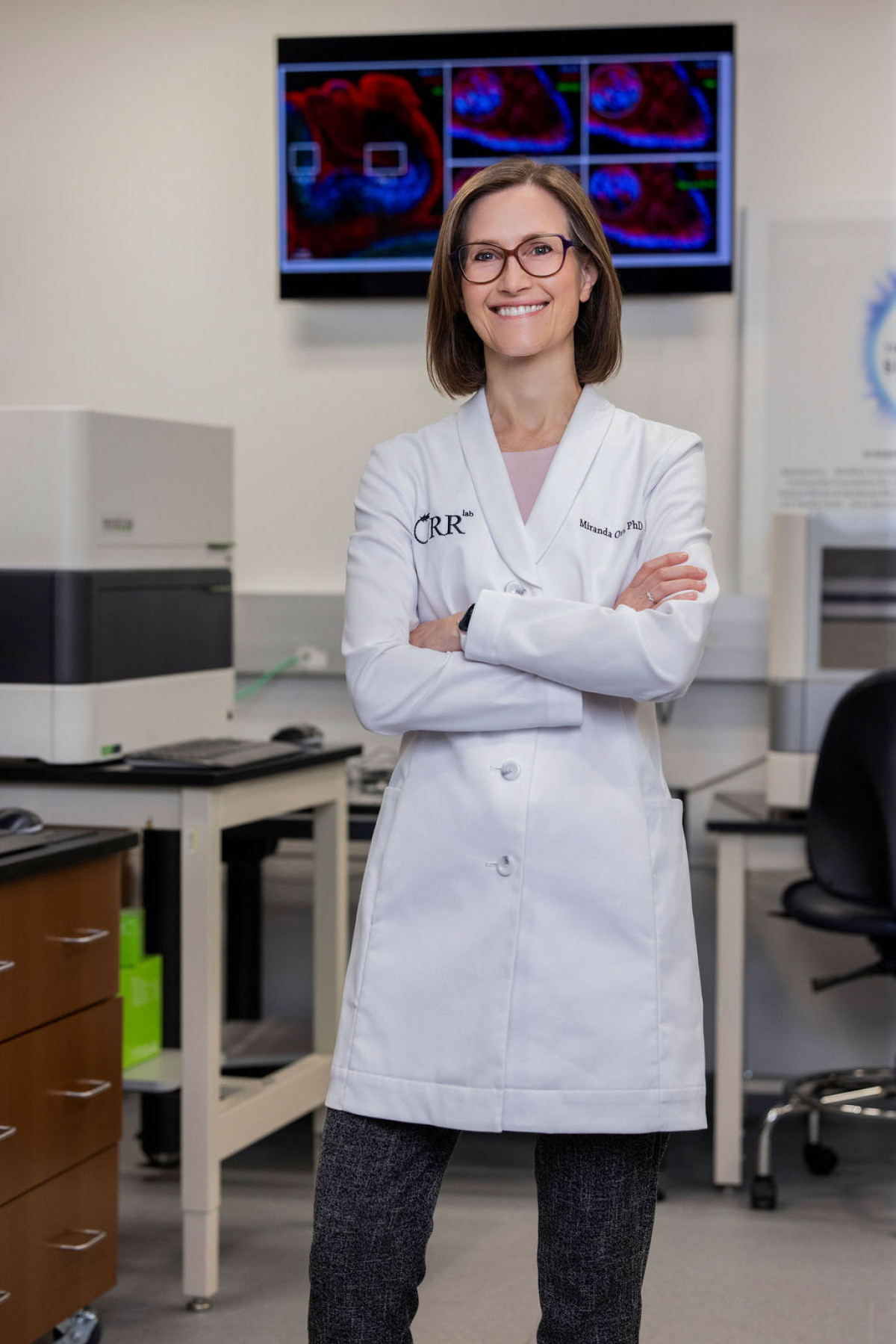
We Are Cortex | Miranda Orr, PhD
Miranda Orr, PhD - Associate Professor of Neurology, Washington University in St. Louis by Kurt Greenbaum | September 21, 2026
The year she graduated from college, Miranda Orr’s maternal grandmother died from Alzheimer’s disease. How, she wondered, could that happen? Why weren’t there any treatment options for her?
That was the moment that inspired Orr to pursue a career in neurology research and what led her today to run her own lab inside a massive, 11-story, city-block-sized research building. The $616 million structure, housing 700 researchers and 120 labs, is possibly the country’s largest facility dedicated to understanding brain health.
WashU's Cortex-based, Jeffrey T. Fort Neuroscience Research Building (NRB) is where the Orr Lab is housed, directed by the associate professor of neurology at WashU.
“I'm really excited, honored, and proud to be a part of this,” Orr said. “My lab is really interested in understanding how aging influences brain health. We focus a lot on Alzheimer's disease, but other brain diseases as well.”
In her case, Orr is pioneering work in a brand new field of research called spatial biology. Using advanced technology, her team can look at brain tissue that color codes different molecules in ways that allow researchers to watch how they interact with themselves and one another.
The NRB is an incredible building that is just set up for natural collaboration. It just makes it that much easier for scientific discovery with the goal of treatments and improving patient health.
The work has identified a fundamental aspect of aging—cellular senescence—in which damaged or stressed cells stop dividing and growing, but don’t die. Orr’s lab uses that information in its quest to identify markers for Alzheimer’s disease and other brain diseases.
Orr said she benefits regularly from her post inside the Neuroscience Research Building within Cortex. “The NRB is an incredible building that is just set up for natural collaboration,” she said. With fantastic researchers a floor above, below or next door, “it just makes it that much easier for scientific discovery with the goal of treatments and improving patient health.”
In the years since her grandmother’s death, Orr said its been rewarding to see research in the field advance by such leaps and bounds. The progress has meant new therapies that can diagnose and slow Alzheimer’s disease. Progress also begets progress, Orr said: As funders see that innovation drives real-world advancements, they are inspired to continue investing in innovation—innovation that might have helped her grandmother all those years ago.
“As a young adult, I did not understand why there were no treatment options for her,” Orr said. “But luckily in the past few years, that's changed. A lot has happened since then. And it will continue to change.”
Join us on Wednesday, November 4th for #WeAreCortex — a community celebration of the thinkers, builders, creators, and doers who are shaping the future of St. Louis and beyond. Free coffee and light breakfast will be provided – register to attend today!
More Cortex Influencers
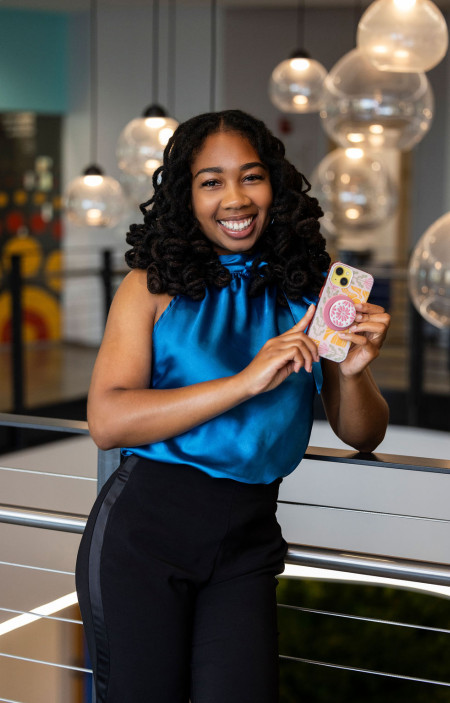
We Are Cortex | Tepra Wells
Tepra Wells - Founder, Tepra Marketing LLC and Cortex Square One Graduate by Kurt Greenbaum

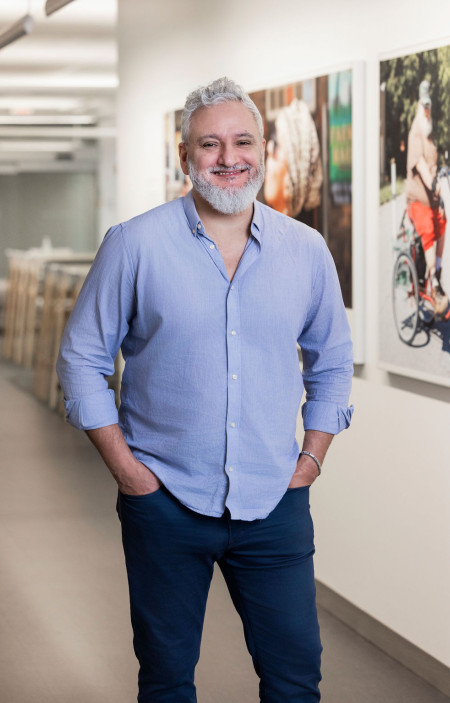
We Are Cortex | Rodrigo Reis, PhD
Rodrigo Reis, PhD - Professor of Public Health, Bursky School of Public Health, Washington University by Kurt Greenbaum
