 Impact Report


 Go back to In the News Page
How St. Louis Built A More Collaborative Bioscience Ecosystem
May 20, 2026
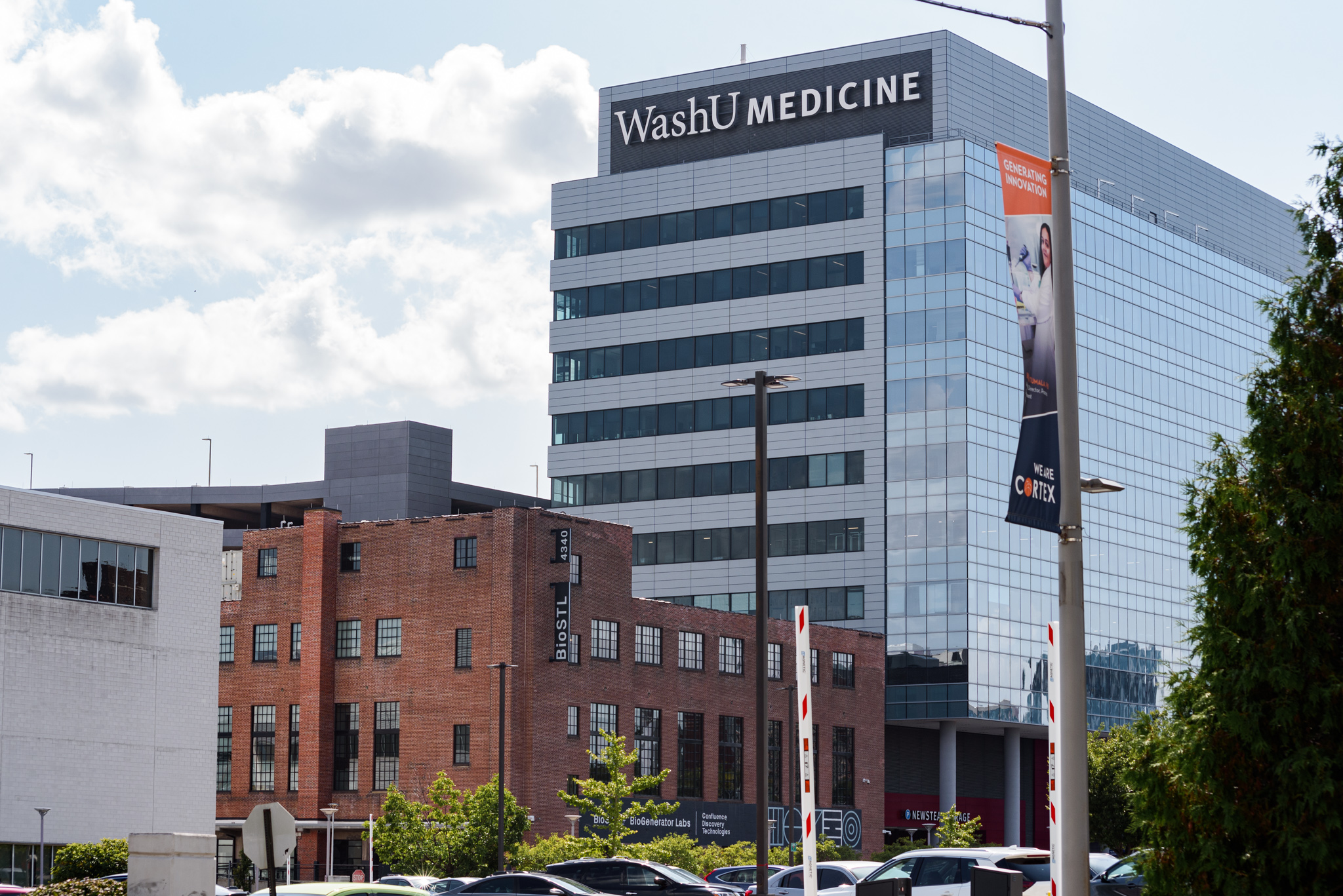
by St. Louis Magazine
Twenty-five years ago, a consulting firm came to St. Louis at the request of civic and economic development leaders who had begun to notice a pattern that was hard to ignore. The region had real scientific weight—major universities, plant science expertise, and a strong base in medical research and corporate research and development—but it wasn’t consistently producing companies at the same rate as peer regions.
The question became: Why did bioscience companies start in St. Louis but leave to grow elsewhere?
The answer had less to do with science than with what surrounded it, the Battelle Memorial Institute study concluded. Venture capital was thin at critical stages. Commercialization pathways were fragmented. Research often stalled between discovery and startup formation. And outside perception lagged behind the strength of the work being done locally. The report prescribed a set of five strategies and 21 recommended actions that would go on to shape ecosystem-building efforts over the next two decades.
“People would try to start a company here, and there was no infrastructure, no ecosystem to support that,” says Donn Rubin, founding president and CEO of BioSTL. “So they would take their idea someplace else, usually California or Boston.”
The implication was blunt: Without structural change, St. Louis would continue producing discoveries that grew elsewhere.
More Articles

Cortex's Square One Bootcamp is a Bridge for...
Over 10 weeks, aspiring St. Louis entrepreneurs in the tech, manufacturing, service, and food sectors get practical instruction in more than 15 areas.


Cortex Recognized Amongst Nation's Strongest...
This report presents new data on the performance of America’s urban innovation districts as economic development engines, updating data reported in a...
Cortex District Company Immunophotonics Secures...
Financing & CEO Transition Support Advancement of IP-001 Clinical Development and Strategic Growth Initiatives
